All articles

Meal Prep for People Who Hate Meal Prep: Five Small Systems Instead of a Sunday Marathon
If the idea of cooking for four hours on a Sunday makes you avoid meal prep entirely, you are not alone. These five small systems get you most of the benefit without the marathon.

Why Hydration Advice Is Not One-Size-Fits-All: Thirst, Heat, Exercise, and Medical Exceptions
The idea that everyone needs the same fixed amount of water misses how much hydration depends on your body, your activity, the weather, and your health. Here is a more sensible way to think about it.

Screen Habits Before Bed: A Realistic Experiment to Test What Actually Helps Your Sleep
Instead of guessing whether your phone is wrecking your sleep, run a simple self-experiment. This is a friendly, structured way to test what actually changes how you feel in the morning.

Fiber-Friendly Meals for Busy Weeks: A Flexible Framework, Not a Restrictive Meal Plan
Getting more fiber into a hectic week does not require a rigid meal plan or hours of cooking. This is a flexible framework built around swaps, defaults, and pantry staples you can lean on when time is short.
How to Read Supplement Marketing Claims Before You Buy: Evidence, Dosage, Safety, and Clinician Advice
Supplement marketing is built to persuade. This is a practical, evidence-aware guide to reading claims slowly before you buy — spotting weak language, checking the panel, respecting dosage, and knowing why safety questions belong with a clinician.
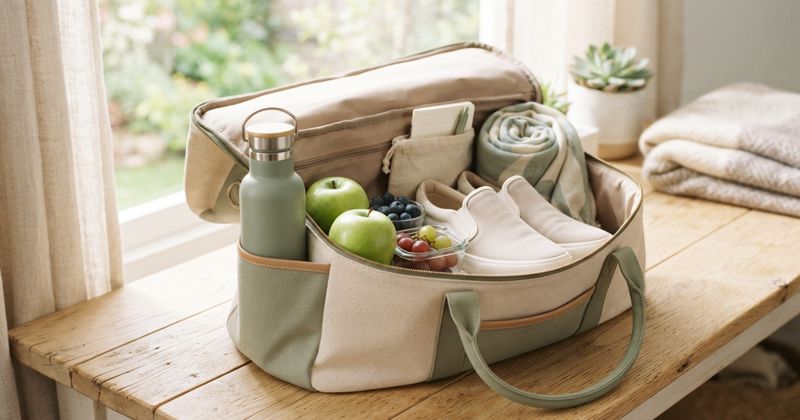
Healthy Travel Habits That Do Not Require a Perfect Diet or Workout Plan
You do not need to pack a perfect diet or a full workout plan to stay well on the road. A handful of flexible habits — hydration, movement, sleep, and eating around familiar basics — travel far better than rigid rules.

A Simple Walking Routine for People Who Dislike Structured Workouts
You do not need to like workouts to be an active person. This is a low-friction walking routine you can attach to your day — no equipment, no schedule, and no willpower once it becomes normal.
Rest Days Explained: Why Recovery Belongs in a Fitness Plan and What It Can Look Like
Rest is not the opposite of training — it is where progress gets locked in. Here is why recovery belongs in every fitness plan and what it can realistically look like, from active recovery to genuine rest.
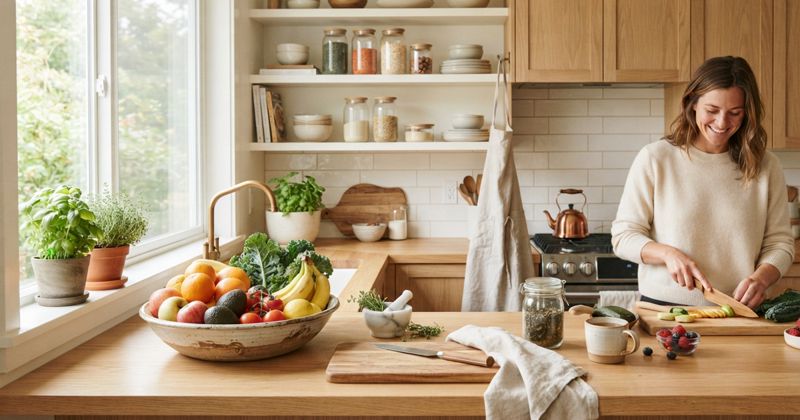
How to Make Healthy Eating Easier When You Share a Kitchen
Sharing a kitchen with family, a partner, or housemates does not have to derail your eating. Here are realistic, low-friction ways to make the healthier choice the easy one — without policing anyone else.

The Afternoon Energy Slump: A Practical Checklist
That mid-afternoon crash is common and usually fixable. Work through this checklist covering meals, movement, light, and sleep timing to find your own levers.
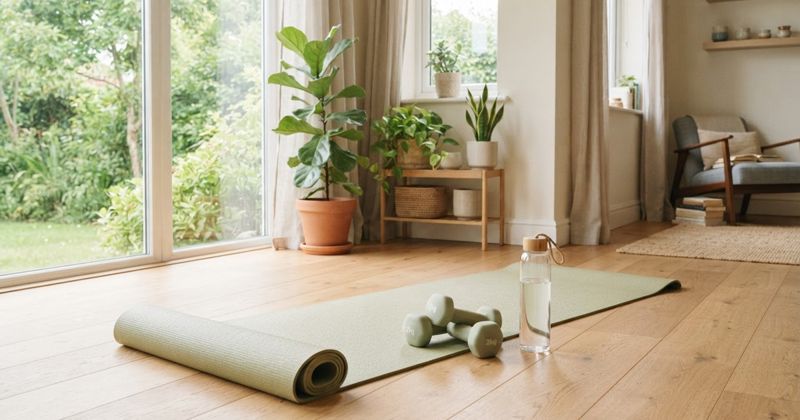
Strength Training for Total Beginners: The First Four Weeks
What the first month of strength training realistically looks like: a form-first, week-by-week approach to building the habit, with honest expectations and no hype.
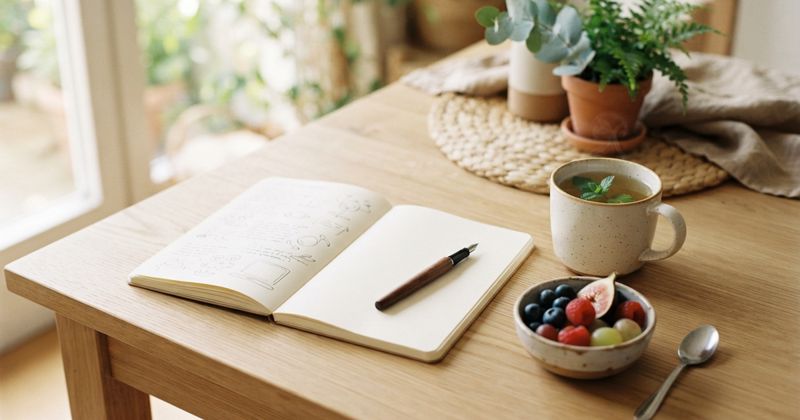
A Beginner's Guide to Food Journaling Without Calorie Obsession
Food journaling can build awareness without turning into number-crunching. Here is what to track, how to do it kindly, and — just as important — when to stop.
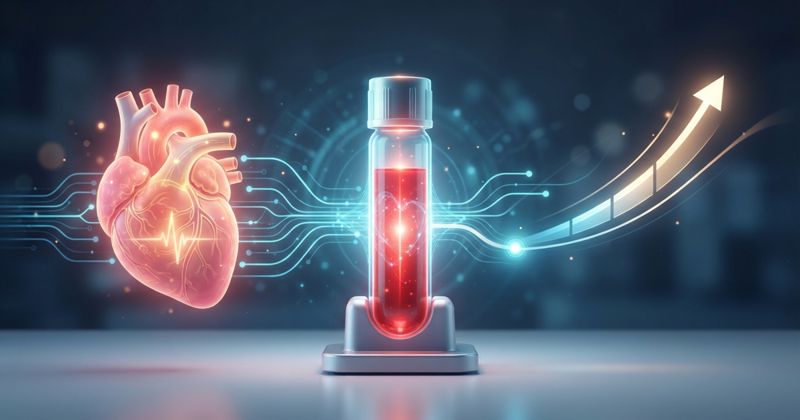
An AI Blood Test That Spots Heart Disease Up to 15 Years Early - What It Is (and Isn't) Yet
Hong Kong researchers built CardiOmicScore, an AI model that reads thousands of proteins and metabolites from one blood sample to flag six cardiovascular diseases up to 15 years before symptoms. What's promising, what's still research-stage, and what already works today.

Building a Balanced Breakfast When You Are Not Hungry in the Morning
Low morning appetite is common and usually nothing to worry about. Here is how to put together a gentle, balanced first meal that fits your body instead of forcing a big plate you do not want.
Beginner Grocery List for Better Energy and Easier Meals
A realistic shopping list built around protein, fiber, produce, frozen and canned staples, snacks, and pantry basics, so balanced meals become the easy default.
12 Health Myths That Keep Showing Up Online
Detoxes, seed oils, carbs, fasting, supplements, and more. Twelve persistent online health myths debunked, plus how to spot a dubious claim before you share it.
30-Day Healthy Habit Plan for Beginners
A beginner plan that stacks small daily habits, movement, meals, hydration, sleep, sunlight, and screen limits, week by week so they actually stick.
Best Wellness Gadgets Worth Considering in 2026
Trackers, sleep tools, blood pressure monitors, thermometers, and smart scales compared. Which are genuinely useful, which are hype, and how to read the data.
Stress and the Body: How Chronic Stress Affects Sleep, Food, and Energy
Chronic stress is a physical process, not just a feeling. See how it disrupts sleep, appetite, and energy, plus low-risk habits that help and when to seek support.
Cholesterol Basics: LDL, HDL, Triglycerides, and What Lifestyle Can Influence
A beginner-friendly guide to LDL, HDL, and triglycerides, what lifestyle can and cannot change, and why your numbers belong in a conversation with your doctor.
Electrolytes Explained: When You Need Them and When Water Is Enough
Most days, water is enough. Electrolytes genuinely matter during long or intense exercise, in heat, and illness. Here is how to cut through the marketing safely.
Fiber Explained: Why It Matters for Digestion, Heart Health, and Fullness
Soluble vs insoluble fiber, where to find each, how much you need, and why adding it slowly with water prevents discomfort. A clear beginner explainer.
How to Track Blood Pressure at Home Correctly
Home blood pressure readings only help if they are accurate. Get the device, posture, timing, and repeated readings right, then share results with your clinician.
How to Start Strength Training at Home
No gym needed. A beginner routine using bodyweight and resistance bands, with a focus on good form, safe progression, and proper recovery.
How to Build a Balanced Plate Without Counting Every Calorie
Skip the calorie math. The plate method uses proportions of vegetables, protein, fiber-rich carbs, and healthy fats to keep meals balanced and flexible.
Women's Midlife Health: Why Perimenopause Is Finally Getting More Attention
Perimenopause is finally being taken seriously. Understand what it is, the symptoms to recognize, the lifestyle basics that help, and why a medical conversation matters.
Sleep Health in 2026: Why Better Rest Is Becoming a Core Wellness Goal
Sleep now sits alongside diet and movement as a health pillar. Learn the habits that actually move rest: light, caffeine, alcohol, temperature, and consistency.
Food as Medicine: What It Means and What It Does Not Mean
Food genuinely shapes long-term health, but it is prevention, not a cure. Here is what the food-as-medicine idea really supports and where the hype goes wrong.
Wearable Health Data: What to Track and What to Ignore
Your watch shows steps, HRV, sleep scores and blood oxygen. Here is which numbers are worth your attention, and which ones you can safely scroll past.
Gut Health Basics: Fiber, Fermented Foods, and What Not to Overthink
Forget the microbiome hype. For most beginners, good gut health starts with fiber variety, regular meals, hydration, and fermented foods if you tolerate them.
Protein in 2026: How Much Do You Really Need?
Protein matters for fullness and muscle, but more is not automatically better. Here is a calm, evidence-aware answer to how much you actually need.
Ultra-Processed Foods Explained: What to Limit and Keep
Cutting back on ultra-processed foods does not mean cooking everything from scratch. The fastest wins come from swapping the few items you eat most often.
How to Read a Nutrition Facts Label Without Getting Confused
The label is not perfect, but in under a minute it tells you serving size, added sugar, sodium, fiber, and protein. Here is exactly how to read it while you shop.
Heart Health Checklist for Adults: The Everyday Basics
Strong heart health is built from repeatable basics, not complicated medicine. Here is a simple checklist covering blood pressure, movement, sleep and food.
Preventive Health Checklist: 10 Things to Do First
Prevention is not one yearly appointment. It is a set of small maintenance habits that quietly lower your risk over time. Here are ten of them.
GLP-1 Nutrition for Beginners: Protein, Fiber, Hydration, Muscle
GLP-1 medication quiets your appetite, but it does not feed you. Here is how beginners protect muscle, stay hydrated, and build balanced meals on a smaller appetite.
Sleep Hygiene That Actually Works: A Beginner Guide to Rest
Better sleep is built from small repeatable habits, not one perfect supplement or gadget. Here is a beginner routine plus fixes for caffeine, screens, light, and naps.
Movement Snacks vs 10,000 Steps: Where Beginners Should Start
The best exercise plan for a beginner is the one that gets repeated. Compare quick movement snacks with the step-count approach and find the lower-friction starting point.